

Making Sense of Hearing Voices
Making Sense of Hearing Voices
- Friday 3 July
- 10am to 5pm
- Online
- Book your place here
The Frontline Network are delighted to offering this session, Making Sense of Hearing Voices, delivered by Jacqui Dillon, as part of our ongoing Outsourced Training programme.
About this Session
A one-day course exploring the experience of hearing voices and other sensory experiences through the Hearing Voices Approach. Rather than viewing voices as symptoms of illness, this approach values personal meaning, context and relationship. The day offers an opportunity to learn from the stories and insights of people with lived experience, and to develop more compassionate, person-centred ways of responding.
Who Can Attend
Please be aware this training is exclusively offered to UK frontline workers supporting individuals experiencing homelessness.
Those who fall outside of the above criteria will not be able to attend this training event and any booking made will have to be returned.
Please ensure you have agreed time off for training with line manager in order to attend this event prior to registration.
Please note we reserve the right to cap attendees from a single organisation to two people per session. If for one session we receive more than 2 registrations from individuals at the same organisation, we may return your registration.
Aims
Introduce the Hearing Voices Approach as an alternative to purely medical understandings of voice hearing.
Increase awareness of the diversity and meaning of voice-hearing experiences.
Support more respectful, hopeful and collaborative responses to people who hear voices.
Learning outcomes
By the end of the day, participants will:
· Understand the core principles and values of the Hearing Voices Approach.
· Appreciate the range of experiences described as “hearing voices” or “psychosis.”
· Recognise the importance of exploring meaning and context rather than focusing only on symptom reduction.
· Gain insight into the role of trauma, power and relationships in voice-hearing experiences.
· Identify ways to use the approach to support recovery, empowerment and connection.
-

Strengthening our Resilience
Wednesday, January 27, 2027 - 11:00:00 AMNew series offering free, online, monthly spaces for frontline staff working with people experiencing homelessness in...
-
Responding to Moral Injury in Difficult Environments
Thursday, December 17, 2026 - 3:30:00 PMNew series offering free, online, monthly spaces for frontline staff working with people experiencing homelessness in...
-

LAUNCH of Mental Capacity & Homelessness Study: Guidance & Tool + Animation
Thursday, December 17, 2026 - 10:00:00 AMThis webinar will share the Guidance & Tool co-produced as part of recent KCL study.
-

Homelessness and Extreme Views
Tuesday, December 8, 2026 - 2:00:00 PMWebinar on how ring-wing narratives affect perceptions of homelessness, the language used to discuss it, and the resp...
-

Rough Sleeping Programme Implementation Drop-in
Monday, December 7, 2026 - 11:00:00 AMSpeak to the Homeless Link team about plans for the Rough Sleeping Programme in your area.
-
Training session: Neurodiversity and impact of homelessness
Wednesday, December 2, 2026 - 10:00:00 AMJoin Leeds Women's Homelessness and Housing Frontline Network for an in-person training.
-

Destitution in the UK 2026 Webinar
Thursday, November 26, 2026 - 2:00:00 PMJoin the Joseph Rowntree Foundation for a webinar on their latest study.
-
Holding Our Boundaries to Support Ourselves
Friday, November 20, 2026 - 12:00:00 PMNew series offering free, online, monthly spaces for frontline staff working with people experiencing homelessness in...
-
Dying Homeless Project 2025: Unequal even in Death
Tuesday, November 17, 2026 - 10:00:00 AMWebinar part ofhte HSCWRU Homeless Event Series from King's College London
-
Managing Compassion Fatigue
Friday, November 13, 2026 - 12:00:00 PMNew series offering free, online, monthly spaces for frontline staff working with people experiencing homelessness in...
-

Homeless and Inclusion Health Network Meeting
Thursday, November 12, 2026 - 3:00:00 PMFree online network meeting organised by The QICN for healthcare professionals working in the homeless and inclusion...
-
Death & Dignity Webinar
Tuesday, November 10, 2026 - 2:00:00 PMWebinar looking at responding to deaths within services, and supporting people experiencing bereavement.
-

Frontline Worker Survey 2026 Report Launch Webinar
Tuesday, November 10, 2026 - 10:30:00 AMJoin us for the launch of our Frontline Worker Survey 2026 report, including presentation and panel discussion.
-

Frontline Perspectives: Trauma Informed Practice & Homelessness Risk
Thursday, November 5, 2026 - 10:00:00 AMA learning and networking event hosted by the Scottish Frontline Network and NHS Highland.
-

‘Remember Me’ - Service of Commemoration
Wednesday, November 4, 2026 - 11:00:00 AMService of Commemoration for those who have died prematurely due to homelessness in the last year.
-

Awaab’s Law: Hazards in Social Housing Training
Tuesday, October 27, 2026 - 1:30:00 PMFree online training on the current and soon be implemented legislation in England under Awaab's Law.
-
Partners in Inquiry: Embedding Lived Experience peer researchers in homeless services redesign
Thursday, October 22, 2026 - 10:00:00 AMHear findings from a collaborative project that explored people's experiences of homelessness and support services in...
-

Homeless Health Conference 2026
Wednesday, October 21, 2026 - 9:30:00 AMJoin Arch Healthcare and Brighton & Hove Frontline Network for the Homeless Health Conference 2026.
-
Migrant Homelessness Learning Symposium
Thursday, October 15, 2026 - 9:30:00 AMA one-day learning event for those encountering homeless migrants.
-
Addiction, Harm Reduction and Naloxone Administration
Thursday, October 15, 2026 - 10:00:00 AMJoin the Northern Ireland Frontline Network for this in-person training event.
-

Cuckooing Training
Thursday, October 15, 2026 - 10:00:00 AMHalf-day online training for UK-based frontline workers on cuckooing.
-
HCoP Webinar: Local Long-Term Rough Sleeping Plans
Tuesday, October 13, 2026 - 2:00:00 PMWebinar looking at the government plans to end rough sleeping, sharing learning from across the country.
-
Leeds housing option's homelessness strategy update
Tuesday, October 13, 2026 - 2:00:00 PMCatch up on the latest plans and ideas to tackle homelessness in Leeds and help make a real difference.
-
Rough Sleeping Programme and the Voluntary, Community and Faith Sector
Tuesday, October 13, 2026 - 3:00:00 PMA chance to hear from the Government about the new programme and the role you can play
-

Cuckooing Training
Monday, October 12, 2026 - 10:00:00 AMHalf-day online training for UK-based frontline workers on cuckooing.
-
Awaab’s Law: Hazards in Social Housing Training
Monday, October 12, 2026 - 1:30:00 PMFree online training on the current and soon be implemented legislation in England under Awaab's Law.
-

Suicide Alertness Training
Tuesday, October 6, 2026 - 9:30:00 AMThis half-day online session how to recognise signs of suicidal thoughts and practical support.
-
Learning Brunch: Supported Housing and Ending Long Term Rough Sleeping
Thursday, October 8, 2026 - 10:00:00 AMBrighton and Hove Frontline Network for a double bill learning lunch.
-
Suicide Alertness Training
Tuesday, October 6, 2026 - 9:30:00 AMThis half-day online session how to recognise signs of suicidal thoughts and practical support.
-
Managing Compassion Fatigue
Tuesday, October 6, 2026 - 9:30:00 AMNew series offering free, online, monthly spaces for frontline staff working with people experiencing homelessness in...
-
Stress Management and Burnout Prevention
Thursday, October 1, 2026 - 10:00:00 AMThursday 1 October 10am to 4pm In person-
Learning Brunch with Homelessness & Housing Options: Duty to Refer
Thursday, October 1, 2026 - 10:00:00 AMJoin Brighton and Hove Frontline Networks latest learning brunch for frontline workers.
-
Caring or Triggering: safety and substance use in homeless shelters
Wednesday, September 30, 2026 - 10:00:00 AMPart of the HSCWRU Homelessness Event Series looking at research in to substance use
-

Trans & Non-Binary Awareness: The Basics
Tuesday, September 29, 2026 - 10:00:00 AM90-min online session for UK-based Frontline Workers on trans and non-binanry awareness.
-

Housing Justice Annual Conference 2026
Wednesday, September 23, 2026 - 9:00:00 AMJoin faith and community providers in our network to reflect, share sector updates and develop best practice together.
-

Supporting People With Autism
Tuesday, September 22, 2026 - 9:30:00 AMFree online training for based frontline workers on supporting clients with Autism.
-

Climate-Resilient Cities for Everyone: Homelessness, Housing and Climate Justice
Tuesday, September 22, 2026 - 2:00:00 PMJoining this webinar looking at how to respond to extreme weather in urban centres.
-
Supporting People With Autism
Thursday, September 17, 2026 - 9:30:00 AMFree online training for based frontline workers on supporting clients with Autism.
-

Reframing Masculinity and the Justice System Webinar
Monday, September 14, 2026 - 11:00:00 AMWebinar pn how gender-informed, trauma-informed approaches can strengthen justice outcomes.
-

Night Shelter Data Briefing
Wednesday, September 9, 2026 - 11:00:00 AMExplore the emerging trends from the Housing Justice Network's day services data.
-

Relational Trauma-Informed Care
Tuesday, September 8, 2026 - 10:00:00 AMFull day online training for UK-frontline workers as part of the Outsourced Training programme.
-
Relational Trauma-Informed Care
Thursday, September 3, 2026 - 10:00:00 AMFull day online training for UK-frontline workers as part of the Outsourced Training programme.
-
Building Better Support Together: Mapping Services for Migrants, Asylum Seekers and Refugees Experiencing Homelessness
Tuesday, September 1, 2026 - 2:00:00 PMJoin Brighton and Hove Frontline Network for this event on support on refugee and asylum seekers.
-
Sentencing Act Webinar
Tuesday, August 18, 2026 - 10:00:00 AMClinks webinar looking at the recently announce reforms to the sentencing act.
-

Blackpool Wyre & Fylde Frontline Network Connection Meeting
Thursday, July 23, 2026 - 9:30:00 AMAre you a Frontline Worker in Blackpool, Wyre & Fylde? Join for a morning of connection, community and shared resources.
-
Meeting sensory needs of neurodivergent people experiencing homelessness
Wednesday, July 22, 2026 - 10:00:00 AMJoin this Homeless Link webinar on supporting clients with neurodivergence.
-
Homelessness and Substance Use Disorder
Thursday, July 16, 2026 - 10:00:00 AMWebinar discussing recent study on recovery experiences of people experiencing homelessness and substance use in Irel...
-
Recording Immigration Status
Wednesday, July 15, 2026 - 2:00:00 PMSession from the Migrant Homelessness Frontline Network team looking at recoding immigration status.
-
England's Homelessness Day Services: Report Launch Webinar
Wednesday, July 15, 2026 - 2:00:00 PMJoin Housing Justice for webinar on the role of faith and community homelessness day services across England.
-
Understanding Neurodivergence and Building Confidence through Connection
Wednesday, July 15, 2026 - 5:00:00 PMBrighton and Hove Frontline Network event on building confidence around neurodivergence
-
Preparing for the Leeds Women's rough sleeping census 2026
Monday, July 6, 2026 - 2:00:00 PMJoin the Leeds Women’s Frontline Network to prepare for September’s Women’s Rough Sleeping Census.
-
Making Sense of Hearing Voices
Friday, July 3, 2026 - 10:00:00 AMA one-day online course exploring the experience of hearing voices and other sensory experiences through the Hearing...
-
Making Sense of Distress: the Power Threat Meaning Framework
Wednesday, July 1, 2026 - 10:00:00 AMA one-day course introducing a new way to understand psychological and emotional distress.
-

Frontline Network Annual Conference 2026
Tuesday, June 23, 2026 - 9:30:00 AMJoin us on Tuesday 23rd June 2026 for the Frontline Network Annual Conference.
-

Homelessness Strategy webinar with Minister McGovern
Join this Webinar with Homelessness Minister Alison McGovern discussing the homelessness stratergy with Q&A.
-
How to talk about homes and immigration
Wednesday, June 10, 2026 - 1:00:00 PMShort online webinar aimed at those who write and talks about decent and affordable homes in the UK.
-
Supporting LGBTQ+ Inclusive Services Training
Thursday, May 21, 2026 - 12:30:00 PMA training session for frontline workers supporting people experiencing homelessness through a LGBTQ+ lens
-
Spring Wellbeing Day - Brighton & Hove FN
Tuesday, May 19, 2026 - 10:00:00 AMJoin the Brighton and Hove Frontline Network for their in-person Spring Wellbeing day.
-

Introduction to Support Options for Individuals with NRPF (England Only)
Thursday, May 14, 2026 - 10:00:00 AMHalf-day online introductory course for frontline workers based in England on support options for clients with NRPF
-
The Stabilisation Centre: Proposed Model Integrating Health & Homelessness
Webinar introducing the proposed Stabilisation Centre in Coventry — a dedicated health and homelessness intervention...
-
Neurodiversity, Homelessness Risk and Support
Wednesday, May 13, 2026 - 1:30:00 PMFrontline Network Scotland event looking at supporting neurodiverse clients.
-
Immigration status and eligibility for housing (England only)
Tuesday, May 12, 2026 - 9:30:00 AMHalf day training with Shelter for England based frontline workers on immigration status and housing.
-
Post-Election Reflection
Monday, May 11, 2026 - 10:30:00 AMJoin our Migrant Homelessness Frontline Network
-
Introduction to Support Options for Individuals with NRPF (England Only)
Wednesday, May 6, 2026 - 10:00:00 AMHalf-day online introductory course for frontline workers based in England on support options for clients with NRPF
-
Renters' Rights Act: implications for supported accommodation providers
Friday, May 1, 2026 - 10:00:00 AMA webinar for supported accommodation providers outlining the major changes set out by the Renters’ Right Act 2025.
-
Understanding Survival Sex
Thursday, April 30, 2026 - 9:30:00 AMInteractive 3-hour training session look at what it survival sex, why women may be invovled and supporting woemn you...
-
SWEP: More than Just Temperature
Wednesday, April 29, 2026 - 11:00:00 AMA free webinar exploring the impact of climate change on the planning and delivery of SWEP (Severe Weather Emergency...
-
UC Update: Preparing for Change - England
Tuesday, April 28, 2026 - 10:00:00 AMThis three-hour Universal Credit update will cover the latest changes for 2026-27.
-
Prison release and MH support pathways
Tuesday, April 28, 2026 - 2:00:00 PMTraining on prison release and mental health pathways-practical tips to support people transitioning into the community.
-
UC Update: Preparing for Change - England
Thursday, April 23, 2026 - 10:00:00 AMThis three-hour Universal Credit update will cover the latest changes for 2026-27.
-

Women, Drugs and Justice: a Webinar
Wednesday, April 22, 2026 - 10:00:00 AMUpcoming webinar from Centre for Justice Innovation exploring women, drugs and justice and what better support could...
-
UC Update: Preparing for Change - England
Tuesday, April 21, 2026 - 10:00:00 AMThis three-hour Universal Credit update will cover the latest changes for 2026-27.
-
Frontline Network Wales: Shelter Cymru Advice Online webinar
Tuesday, April 21, 2026 - 1:00:00 PMJoin Frontline Network Wales and Shelter Cymru for this online advice session.
-
Learning lunch: Housing Solutions (Direct Lets)
Tuesday, April 21, 2026 - 10:00:00 AMJoining Bright and Hove Learning Lunch focusing on Housing Solutions for direct lets
-

Neurodiversity Awareness and Support
Monday, April 20, 2026 - 9:30:00 AMFull day online training for frontline workers looking at working with people on the autistic spectrum and other neur...
-
Assessing health inequalities for adults experiencing homelessness
Wednesday, April 15, 2026 - 10:00:00 AMJoin upcoming session from KCL looking on health inequalities and homelessness.
-

Conference for Women of Black Heritage
Tuesday, March 31, 2026 - 10:00:00 AMConference focused on turning lived experience into solutions.
-
Immigration status and eligibility for housing
Monday, March 30, 2026 - 1:30:00 PMHalf day online session for England based frontline workers on immigration status and housing.
-
Frontline Network Wales: March 2026 meet-ups
Thursday, March 26, 2026 - 12:00:00 PMYour chance to feed in to Frontline Network Wales manifesto for the upcoming Senedd elections in May.
-
NI Frontline Workers Networking Lunch and Learn
Wednesday, March 25, 2026 - 12:15:00 PMJoin Northern Ireland Frontline Network for their in-person lunch and learning session
-
Use and Misuse: mental capacity, homelessness & multiple disadvantage
Wednesday, March 25, 2026 - 10:00:00 AMKCL event on recent research regarding the findings from a recent study.
-

Cultural Competency Training
Wednesday, March 25, 2026 - 2:00:00 PMShort online session from Equality and Diversity UK about understanding the EDI within frontline services and in supp...
-
Frontline Network Wales: March 2026 meet-ups
Wednesday, March 25, 2026 - 2:00:00 PMYour chance to feed in to Frontline Network Wales manifesto for the upcoming Senedd elections in May.
-
Understanding Survival Sex
Tuesday, March 24, 2026 - 9:30:00 AMInteractive 3-hour training session look at what it survival sex, why women may be invovled and supporting woemn you...
-
Frontline Network Wales: March 2026 meet-ups
Tuesday, March 24, 2026 - 11:30:00 AMYour chance to feed in to Frontline Network Wales manifesto for the upcoming Senedd elections in May.
-

Mental Health and Benefits
Monday, March 23, 2026 - 10:00:00 AMFull day training on mental health and welfare entitlement for frontline workers in England and Wales.
-

Providing Inclusive Homelessness Services - embedding knowledge
Wednesday, March 18, 2026 - 2:00:00 PMAn interactive session for frontline workers and managers to explore trans inclusion in homelessness services.
-
Immigration status and eligibility for housing
Wednesday, March 18, 2026 - 1:30:00 PMHalf day online session for England based frontline workers on immigration status and housing.
-
Good Practice Learning Session: Supporting Young People
Wednesday, March 11, 2026 - 2:00:00 PMAn interactive session to meet our National Practice Development team and learn more about our good practice resources.
-

VRF Info / Q&A Session
Wednesday, March 11, 2026 - 11:00:00 AMFind out more about the Emergency Grants (VRF) and how it may help your clients into accommodation.
-
Universal Credit Update: Preparing for Change
Tuesday, March 10, 2026 - 10:00:00 AMThis three-hour Universal Credit update will cover the latest changes for 2026-27.
-
The BIG Frontline Connection Event - Blackpool, Wyre & Fylde
Tuesday, March 10, 2026 - 9:30:00 AMA day for frontline workers across Blackpool, Wyre & Fylde to come together, connect and learn more about services ac...
-
Cultural Competency Training
Friday, March 6, 2026 - 1:00:00 PMShort online session from Equality and Diversity UK about understanding the EDI within frontline services and in supp...
-
Managing the Threat
Thursday, March 5, 2026 - 10:30:00 AMMigrant Homelessness Frontline Network host this session on understanding and responding far-right threats to services
-

Supporting People Leaving Prison
Thursday, March 5, 2026 - 9:00:00 AMWorkshop delivered by the Probation Service and Blackpool Lived Experience Team to equip frontline workers in support...
-
Universal Credit Update: Preparing for Change
Friday, February 27, 2026 - 10:00:00 AMThis three-hour Universal Credit update will cover the latest changes for 2026-27.
-

Local Connection - Scotland
Tuesday, February 24, 2026 - 10:00:00 AMOnline session on local connection issues in homelessness applications for Scotland frontline workers.
-
Health & Hospital Discharge Pathways
Tuesday, February 24, 2026 - 10:00:00 AMExplore women’s homelessness pathways linked to health and hospital discharge, system challenges, and impacts on wome...
-
Palliative Care and Homelessness
Thursday, February 19, 2026 - 3:00:00 PMA free webinar exploring the importance of integrating palliative care within the homelessness sector.
-
Mental Health and Benefits
Thursday, February 19, 2026 - 10:00:00 AMFull day training on mental health and welfare entitlement for frontline workers in England and Wales.
-

Rolling out the Decent Homes Standard
Thursday, February 19, 2026 - 10:00:00 AMWebinar from CaCHE on the upcoming rollout of the Non-Decent Index
-
Dying Homeless Project 2024: Research, Remembrance & Resistance
Thursday, February 12, 2026 - 10:00:00 AMWebinar discussing most recent finding from the Dying Homeless Project
-
Providing Inclusive Homelessness Services - Trans inclusion
Wednesday, February 11, 2026 - 2:00:00 PMAn interactive session for frontline workers and managers to explore trans inclusion in homelessness services.
-
Understanding Survival Sex
Thursday, February 5, 2026 - 9:30:00 AMInteractive 3-hour training session look at what it survival sex, why women may be invovled and supporting woemn you...
-
Effective communication to manage conflict
Tuesday, February 3, 2026 - 10:00:00 AMNI Frontline Network in-person workshop on effective communication to manage conflict.
-
Neurodiversity Awareness and Support (Scotland)
Thursday, January 29, 2026 - 9:30:00 AMFree full-day training opportunity for frontline workers in Scotland who support people experiencing or at risk of ho...
-
Neurodiversity Awareness and Support
Thursday, January 15, 2026 - 9:30:00 AMJoin Northern Ireland Frontline Network for online session looking at neurodiversity
-
Providing Inclusive Homelessness Services - Supporting racially and ethnically marginalised people
Wednesday, January 14, 2026 - 2:00:00 PMAn interactive session for frontline workers and managers to explore trans inclusion in homelessness services.
-
Harm Reduction in Women’s Homelessness Services
Wednesday, January 14, 2026 - 10:00:00 AMWebinar from King's College London discussing the results of new research
-
Neurodiversity Awareness and Support (Scotland)
Wednesday, January 14, 2026 - 1:30:00 PMFree half-day training opportunity for frontline workers in Scotland who support people experiencing or at risk of ho...
-

Paying Twice: The Hidden cost of the Hostile Environment
Thursday, December 11, 2025 - 11:00:00 AMJoin Homeless Network Scotland for this webinar on impact of 'hostile environment' policies in Scotland
-
Homeless applications: barriers to in-person help & impact on hospitals
Thursday, December 11, 2025 - 10:00:00 AMKCL event presenting on findings from recent research
-
Understanding Survival Sex
Thursday, December 4, 2025 - 9:30:00 AMInteractive 3-hour training session look at what it survival sex, why women may be invovled and supporting woemn you...
-

NACCOM Annual Survey Briefing
Thursday, December 4, 2025 - 10:00:00 AMKey data & themes from NACCOM’s annual member survey
-
Supported Housing Frontline Practice Forum
Friday, November 21, 2025 - 1:30:00 PMA free interactive session for frontline workers in supported housing services focused on identifying and responding...
-
The Asylum Policy Paper & Potential Impact on Homelessness
Tuesday, December 2, 2025 - 11:00:00 AMSession delivered by the Migrant Frontline Network on upcoming changes to asylum
-

Bereavement in Services
Thursday, November 27, 2025 - 1:00:00 PMJoin this short session talking about the impact of bereavement in services and how to process in professional settings.
-
Understanding Voices: An Introduction to the Hearing Voices Approach
Thursday, November 27, 2025 - 10:00:00 AMA one-day online course exploring the experience of hearing voices and other sensory experiences through the Hearing...
-
Neurodiversity Awareness and Support
Tuesday, November 25, 2025 - 9:30:00 AMJoin Northern Ireland Frontline Network for online session looking at neurodiversity
-
Making Sense of Distress: the Power Threat Meaning Framework
Tuesday, November 25, 2025 - 10:00:00 AMA one-day course introducing a new way to understand psychological and emotional distress.
-

Bereavement on the Frontline - Webinar
Thursday, November 20, 2025 - 11:00:00 AMJoin this webinar discussion about the impact of bereavement on homelessness sector frontline workers and how organsi...
-

Service of Commemoration at St Martin-in-the-Fields
Thursday, November 13, 2025 - 11:00:00 AMJoin the annual Service of Commemoration for those who have passed as a result of homelessness.
-
Providing Inclusive Homelessness Services - power and oppression
Wednesday, November 12, 2025 - 2:00:00 PMAn interactive session for frontline workers and managers to explore trans inclusion in homelessness services.
-
NI Frontline Workers Networking, Lunch and Learn
Tuesday, November 11, 2025 - 12:15:00 PMJoin Northern Ireland Frontline Network for a lunch and learn event.
-
Bereavement in Services
Tuesday, November 11, 2025 - 1:00:00 PMJoin this short session talking about the impact of bereavement in services and how to process in professional settings.
-
Bereavement in Services Event for Frontline Workers
Monday, November 10, 2025 - 9:00:00 AMIn-person event for frontline staff in Blackpool on experiences of bereavement in services.
-
Immigration status and eligibility for housing
Thursday, October 30, 2025 - 1:30:00 PMHalf day online session for England based frontline workers on immigration status and housing.
-

Race, Housing and Homelessness Webinar
Wednesday, October 29, 2025 - 10:00:00 AMJoin leading experts for a webinar discussion on race and housing.
-
Strengths-Based Approaches
Tuesday, October 28, 2025 - 10:00:00 AMFull day training delivered by BHT Sussex on Strength-Bases Approaches for frontline forkers
-
Immigration status and eligibility for housing
Wednesday, October 22, 2025 - 9:30:00 AMHalf day online session for England based frontline workers on immigration status and housing.
-
Mental Health and Benefits
Tuesday, October 21, 2025 - 10:00:00 AMFull day training on mental health and welfare entitlement for frontline workers in England and Wales.
-

Universal Credit – The Housing Costs Elements
Tuesday, October 21, 2025 - 9:45:00 AMHalf day session hosted by the Benefits Training Co looking at the housing element of Universal Credit
-
Housing Law: Tenancies and Licences
Tuesday, October 14, 2025 - 9:30:00 AMJoin this fullday online training session hosted by homeless Link on tenancies and licences.
-
Housing Law: Tenancies and Licences
Thursday, October 9, 2025 - 9:30:00 AMJoin this fullday online training session hosted by homeless Link on tenancies and licences.
-
Section 17 Support for Families with NRPF
Thursday, October 9, 2025 - 10:00:00 AMHalf day online training session delivered by Project 17 looking at support for families with NRPF
-
Providing Inclusive Homelessness Services - the importance of language
Wednesday, October 8, 2025 - 2:00:00 PMA free interactive session for frontline workers and managers to explore the importance of language in providing incl...
-
Neurodiversity Awareness and Support
Thursday, October 2, 2025 - 9:30:00 AMFull day online training for frontline workers looking at working with people on the autistic spectrum and other neur...
-
Strengths-Based Approaches
Thursday, October 2, 2025 - 10:00:00 AMFull day training delivered by BHT Sussex on Strength-Bases Approaches for frontline forkers
-
Universal Credit – The Housing Costs Elements
Tuesday, September 30, 2025 - 9:45:00 AMHalf day session hosted by the Benefits Training Co looking at the housing element of Universal Credit
-
Neurodiversity Awareness and Support
Thursday, September 25, 2025 - 9:30:00 AMFull day online training for frontline workers looking at working with people on the autistic spectrum and other neur...
-
No One Left Out: Cross-sector solutions this winter
Tuesday, September 23, 2025 - 10:30:00 AMOnline discuss from Homeless Network Scotland on solution to housing crisis this winter.
-
Neurodiversity Awareness and Support
Monday, September 22, 2025 - 9:30:00 AMFull day online training for frontline workers looking at working with people on the autistic spectrum and other neur...
-
Mental Health and Benefits
Monday, September 22, 2025 - 10:00:00 AMFull day training on mental health and welfare entitlement for frontline workers in England and Wales.
-
Blackpool, Wyre & Fylde Frontline Network - Introduction to NLP
Monday, September 22, 2025 - 9:00:00 AMA free training event specifically for Frontline workers in Blackpool, Wyre & Fylde
-
Wales FN September meet-ups - Senedd election 2026
Monday, September 22, 2025 - 12:00:00 PMJoining Wales Fronltine Network to discuss priorities for next years elections
-
Supported Housing Managers Practice Forum: Debriefing & Reflective Practice
Friday, September 19, 2025 - 10:00:00 AMAn interactive session aimed at managers in supported housing services.
-
Wales FN September meet-ups - Senedd election 2026
Friday, September 19, 2025 - 1:30:00 PMJoining Wales Fronltine Network to discuss priorities for next years elections
-
Neurodiversity Awareness and Support
Monday, September 15, 2025 - 9:30:00 AMFull day online training for frontline workers looking at working with people on the autistic spectrum and other neur...
-
Neurodiversity Awareness and Support
Friday, September 12, 2025 - 9:30:00 AMFull day online training for frontline workers looking at working with people on the autistic spectrum and other neur...
-
Providing Inclusive Homelessness Services - The Equality Act
Wednesday, September 10, 2025 - 2:00:00 PMJoin Homeless Link’s Practice Forum for frontline workers and managers of homeless...
-
Women’s rough sleeping census – Planning session #3
Monday, September 8, 2025 - 2:00:00 PMJoin the Women’s Rough sleeping census planning - help shape, support and amplify women’s voices.
-
Frontline Practice Forum: challenging behaviour in supported housing
Wednesday, September 3, 2025 - 2:00:00 PMA free interactive session for frontline workers in supported housing services.
-
Webinar: Preventing evictions from supported housing
Friday, August 15, 2025 - 10:00:00 AMJoin this Homeless link webinar focused on preventing evictions from supported housing
-
Women's Rough Sleeping Census Week – Planning Session #2
Friday, August 1, 2025 - 2:00:00 PMJoin for Women’s Rough Sleeping Census planning in Leeds area. Help shape, support & amplify women’s voices.
-
Women's Rough Sleeping Census Week – Planning Session #2
Friday, August 1, 2025 - 2:00:00 PMJoin us Fri 1 Aug, 2–3:30pm for our Women’s Rough Sleeping Census planning. Help shape, support & amplify women’s voi...
-
Blackpool, Wyre & Fylde Frontline Network Connection Event
Wednesday, July 30, 2025 - 10:00:00 AMA full day event bringing frontline workers who support individuals experiencing homelessness together from across Bl...
-
Neurodiversity Awareness and Support
Thursday, July 17, 2025 - 9:30:00 AMFull day online training for frontline workers looking at working with people on the autistic spectrum and other neur...
-
Focus Group for Frontline Day Service Workers
Thursday, July 17, 2025 - 10:00:00 AMJoin Homeless Link for an online forum for day service workers
-
Migrant Homelessness Across the UK
Tuesday, July 15, 2025 - 10:00:00 AMThe Migrant Homelessness Frontline Network reviews migrant homelessness across the UK
-
Neurodiversity Awareness and Support
Wednesday, July 9, 2025 - 9:30:00 AMFull day online training for frontline workers looking at working with people on the autistic spectrum and other neur...
-
Training event: Cuckooing Awareness
Tuesday, July 8, 2025 - 10:00:00 AMJoin the Leeds Women’s Homelessness Frontline Network for a special event on cuckooing
-
Supported Housing Managers Practice Forum: Preventing Evictions
Tuesday, July 8, 2025 - 11:00:00 AMAn interactive session aimed at managers in supported housing services.
-

Roma Housing in London: Barriers and Inequalities
Wednesday, June 25, 2025 - 12:30:00 PMJoin this one hour session from the Roma Support Group
-
Frontline Network Annual Conference 2025
Tuesday, June 24, 2025 - 9:30:00 AMJoin us on Tuesday 24th June 2025 for the Frontline Network Annual Conference.
-

Museum of Homelessness in Belfast in June 2025
Wednesday, June 18, 2025 - 10:30:00 AMOn 18 June, the Museum of Homelessness hosts two events at the Ulster Museum exploring homelessness through stories,...
-
Roma Housing in London: barriers and inequalities
Wednesday, June 18, 2025 - 12:30:00 PMJoin this one hour session from the Roma Support Group
-

Launch of the LGBTQ+ Housing Research and Practice Network
Tuesday, June 17, 2025 - 10:00:00 AMJoin the HSA launch of a new network uniting experts to improve LGBTQ+ housing through collaboration and inclusive pr...
-
Leeds FL Network: Preparing for the Leeds Women's rough sleeping census
Thursday, June 5, 2025 - 2:00:00 PMPrep for this year’s Leeds Women’s Homelessness Census—review data, plan outreach & boost impact for Census Week in S...
-
Innovation Forum: Supporting Non-UK Nationals
Thursday, June 5, 2025 - 2:00:00 PMA free, workshop style session, exploring ways homelessness services can support non-UK nationals.
-
Frontline Practice Forum: drug and alcohol use in supported housing
Wednesday, June 4, 2025 - 2:00:00 PMA free interactive session for frontline workers in supported housing services.
-
Coventry Frontline Network Training - Strengths-Based Practice
Wednesday, June 4, 2025 - 10:00:00 AMFunded Homeless Link in-person training for frontline homelessness workers in Coventry and the Midlands
-

Leading with Kindness: How it can create thriving workplaces
Tuesday, May 27, 2025 - 11:00:00 AMWe explore how leading with kindness creates healthier workplaces and how trust, support, and culture drive real change.
-

Ending Youth Homelessness
Thursday, May 22, 2025 - 1:30:00 PMOnline learning event for frontline workers supporting people experiencing or at risk of homelessness.
-
Challenging the dominant narrative of mental health
Thursday, May 22, 2025 - 11:30:00 AMThis space is to help people challenge assumptions and explore a different way of approaching mental health.
-
Learning Lunch: B&H Housing Options Allocations - Save the Date
Friday, May 16, 2025 - 1:00:00 PMJoin Brighton and Hove Frontline Network for their May Learning Lunch
-
Migrant Homelessness Learning Symposium
Thursday, May 15, 2025 - 10:00:00 AMJoin Pan London Migrant Frontline Network for their annual learning symposium
-
Northwest Temporary Accommodation Staff Meetup
Wednesday, May 14, 2025 - 11:00:00 AMJoining Northern Ireland Frontline Network meet up for temporary accommodation staff.
-
Frontline Network & Shelter: Understanding Homelessness & Housing Training
Tuesday, May 13, 2025 - 9:30:00 AMGet an overview of local authority homelessness duties, including the prevention, relief and main housing duties.
-
Using the 56 Day Move-on Period
Tuesday, May 13, 2025 - 11:00:00 AMHow to make best use of the 56 day move-on period for those leaving asylum accommodation
-
Using the 56 Day Move On Period
Monday, April 28, 2025 - 2:00:00 PMJoin Pan London Migrant Frontline Network session focusing on uplift to move on period
-

De-Stress Your Money Talk: Peer Support for Confident Conversations
Thursday, April 24, 2025 - 11:00:00 AMThis workshop offers UK money guidance practitioners a relaxed, peer-support roundtable to explore stress triggers, c...
-

Rock Trust Upstream Webinar: Universal School-Based Prevention of Youth Homelessness
Wednesday, April 23, 2025 - 3:00:00 PMJoin Rock Trust for an insightful webinar on Upstream Scotland, an innovative school-based model designed to identify...
-
Leeds Women’s Homelessness and Housing Frontline Network: Barriers to Homelessness Advice and Support
Thursday, April 17, 2025 - 2:00:00 PMJoin Leeds Frontline NEto on April 17th for a training session on barriers to homelessness, advice and support.
-
Coventry Frontline Network forum - April 2025
Wednesday, April 2, 2025 - 12:30:00 PMA forum for frontline homelessness workers in Coventry and the Midlands to meet and connect
-
We must do better: ensuring everyone can sleep safe in winter 2025-26
Wednesday, April 2, 2025 - 12:00:00 PMA free online event featuring the GHIFT team sharing their investigation into rising rough sleeping in Glasgow during...
-
Housing in Housing First
Tuesday, April 1, 2025 - 10:00:00 AMA free webinar showcasing different Housing First services.
-

Mind Your Money Webinar
Wednesday, March 26, 2025 - 10:30:00 AMOne-hour webinar hosted by The Money Charity looking at finances and mental health and tips for managing money.
-
Complex Needs, Dual Diagnosis and Personality Disorder Training
Tuesday, March 25, 2025 - 9:30:00 AMFull day online training delivered by Homeless Link for frontline workers based in the United Kingdom.
-
Belfast Floating Support Networking Event
Tuesday, March 25, 2025 - 11:00:00 AMNetworking event for floating or housing related support staff working in the greater Belfast area.
-
Universal Credit and Vulnerable People: The Tricky Bits Training
Thursday, March 20, 2025 - 9:30:00 AMHalf-day online training delivered by BGPS looking at supporting homeless clients through the UC system.
-
Professional Resilience Training
Tuesday, March 18, 2025 - 9:30:00 AMFull day online session focusing on Professional Resilience aimed at frontline workers in the UK within homelessness...
-
Suicide Alertness Training
Tuesday, March 18, 2025 - 9:30:00 AMHalf-day online training on Suicide Alertness for frontline workers in the UK homelessness sector.
-

Effective Employment Support: a Critical Part of Homelessness Prevention
Wednesday, March 19, 2025 - 1:00:00 PMJoin this webinar on 19th March to explore Coventry City Council’s innovative employment support approaches that help...
-
Quarterly Reflective Space for Outreach Workers
Wednesday, March 12, 2025 - 10:00:00 AMA quarterly interactive and reflective session for rough sleeping outreach workers.
-
Motivational Interviewing Training
Tuesday, March 11, 2025 - 9:30:00 AMFull day online training for UK-based frontline workers to increase positive engagement with the people you support.
-
London PLUS: Women Experiencing Homelessness
Monday, March 10, 2025 - 1:00:00 PMA free session for London-based services on improving gender and trauma-informed support for women experiencing homel...
-
Suicide Alertness Training
Thursday, March 6, 2025 - 9:30:00 AMHalf-day online training on Suicide Alertness for frontline workers in the UK homelessness sector.
-
London PLUS: Fundraising Community of Practice
Monday, March 3, 2025 - 1:00:00 PMA free reflective space for London-based fundraisers to share challenges and ideas on raising money for homelessness...
-
Frontline Network Wales meet-ups: February
Thursday, February 27, 2025 - 1:00:00 PMInfluence Senedd Inquiry on Housing Support for Vulnerable People
-
Complex Needs, Dual Diagnosis and Personality Disorder Training
Tuesday, February 25, 2025 - 9:30:00 AMFull day online training delivered by Homeless Link for frontline workers based in the United Kingdom.
-
Introduction to Working with Female Sex Workers
Tuesday, February 25, 2025 - 1:30:00 PMLearn how to support female sex workers in our community at our upcoming event!
-
Frontline Network Wales meet-ups: February
Tuesday, February 25, 2025 - 10:00:00 AMInfluence Senedd Inquiry on Housing Support for Vulnerable People
-

Brighton & Hove Homelessness Research Forum
Monday, February 24, 2025 - 2:00:00 PMJoin us at the Brighton & Hove Homelessness Research Forum, where we'll explore and share the latest local homelessne...
-
Frontline Network Wales meet-ups: February
Friday, February 21, 2025 - 12:00:00 PMInfluence Senedd Inquiry on Housing Support for Vulnerable People
-
Working with Substance Use in a Homeless Setting
Wednesday, February 19, 2025 - 9:30:00 AMTwo day in-person training for frontline workers in Northern Ireland
-
Professional Resilience Training
Thursday, February 13, 2025 - 9:30:00 AMFull day online session focusing on Professional Resilience aimed at frontline workers in the UK within homelessness...
-
Coventry Frontline Network forum - February 2025 ONLINE
Thursday, February 13, 2025 - 2:00:00 PMAn online event for frontline homelessness workers in Coventry and the midlands
-
Access to healthcare for homeless migrants
Thursday, February 13, 2025 - 10:00:00 AMA Pan-London Migrant Homelessness Frontline Network event
-
Suicide Alertness Training
Wednesday, February 12, 2025 - 9:30:00 AMHalf-day online training on Suicide Alertness for frontline workers in the UK homelessness sector.
-
Motivational Interviewing Training
Tuesday, February 11, 2025 - 9:30:00 AMFull day online training for UK-based frontline workers to increase positive engagement with the people you support.
-
Universal Credit and Vulnerable People: The Tricky Bits Training
Wednesday, February 5, 2025 - 9:30:00 AMHalf-day online training delivered by BGPS looking at supporting homeless clients through the UC system.
-
B&H Frontline Network - Learning Lunch
Wednesday, February 5, 2025 - 2:00:00 PMJoin the Brighton and Hove Frontline Network for their regular learning lunches joined by staff form BHCC Housing Opt...
-
Universal Credit and Vulnerable People: The Tricky Bits Training
Friday, January 31, 2025 - 9:30:00 AMHalf-day online training delivered by BGPS looking at supporting homeless clients through the UC system.
-
Emotional Intelligence and Resilience
Wednesday, January 29, 2025 - 9:30:00 AMFull day workshop for Northern Ireland Frontline Workers furn by the NI Frontline Network
-
Psychological Safety Meet-up
Wednesday, January 29, 2025 - 2:00:00 PMIn person meeting up for Frontline Workers in Brighton area
-
Complex Needs, Dual Diagnosis and Personality Disorder Training
Tuesday, January 28, 2025 - 9:30:00 AMFull day online training delivered by Homeless Link for frontline workers based in the United Kingdom.
-

Housing and Domestic Abuse: An Immersive Training Course
Brand-new training course from HRNI and North Down Women’s Aid, for frontline workers in Northern Ireland in housing...
-

The Threat of New Synthetic Opioids Webinar
Thursday, January 23, 2025 - 10:00:00 AMWebinar delivered by Change Grow Live on synthetic opioids and harm reduction for UK frontline workers.
-
Professional Resilience Training
Tuesday, January 21, 2025 - 9:30:00 AMFull day online session focusing on Professional Resilience aimed at frontline workers in the UK within homelessness...
-
Motivational Interviewing Training
Thursday, January 16, 2025 - 9:30:00 AMFull day online training for UK-based frontline workers to increase positive engagement with the people you support.
-
Brighton and Hove Frontline Network Meet Up
Thursday, January 9, 2025 - 9:27:55 AMJoin the Brighton and Hove Frontline Network as they host Southdown Recovery College
-
Blackpool, Wyre & Fylde Frontline Network Meeting
Wednesday, December 18, 2024 - 1:25:27 PMJoin the BWF Frontline Network for their Christmas meet up (mince pies included!)
-
eVisas - The Final Countdown
Friday, December 13, 2024 - 10:00:00 AMAn opportunity to hear information, ask questions & share learning in the final few weeks before the transition to th...
-
Motivational Interviewing Training
Thursday, December 12, 2024 - 9:30:00 AMFull day online training for UK-based frontline workers to increase positive engagement with the people you support.
-

No Recourse to Public Funds training - Northern Ireland
Wednesday, December 11, 2024 - 10:00:00 AMHalf day, in person training for frontline workers in Northern Ireland on support options for individuals with no rec...
-
Quarterly reflective space for outreach workers
Wednesday, December 11, 2024 - 10:00:00 AMA quarterly interactive and reflective session for rough sleeping outreach workers.
-
Scottish Frontline Network Training: Drug Trends in Scotland [in-person]
Tuesday, December 10, 2024 - 10:00:00 AMFree training opportunity for frontline workers supporting people experiencing or at risk of homelessness.
-
Supporting Asylum Seekers, refugees and vulnerable migrants experiencing homelessness in Brighton and Hove
Monday, December 9, 2024 - 3:00:02 PMJoin Brighton & Hove Frontline Network for an in-person event addressing housing challenges faced by asylum seekers,...
-
B&H Frontline Network Homeless Mental Health
Friday, December 6, 2024 - 2:00:00 PMJoin the Brighton and Hove Frontline Network meeting discussing homeless mental health.
-

SCeTCH: Smoking cessation trial in people experiencing homelessness
Friday, December 6, 2024 - 3:00:00 PMHear the full findings from this large-scale trial exploring how to support people experiencing homelessness to stop...
-
Complex Needs, Dual Diagnosis and Personality Disorder Training
Thursday, December 5, 2024 - 9:30:00 AMFull day online training delivered by Homeless Link for frontline workers based in the United Kingdom.
-

No Recourse to Public Funds training - Northern Ireland
Wednesday, December 4, 2024 - 10:00:00 AMHalf day, in person training for frontline workers in Northern Ireland on support options for individuals with no rec...
-
Introduction to Support Options for Individuals with NRPF (England Only)
Wednesday, December 4, 2024 - 10:00:00 AMHalf-day online introductory course for frontline workers based in England on support options for clients with NRPF
-
Coventry Frontline Network - online overview (December 2024)
Monday, December 2, 2024 - 11:00:00 AMFind out about the Frontline Network and how we can support frontline homelessness workers with training, events, fun...
-
Motivational Interviewing Training
Friday, November 29, 2024 - 9:30:00 AMFull day online training for UK-based frontline workers to increase positive engagement with the people you support.
-
Housing First Fidelity Assurance - self-reflection tool and action plans
Thursday, November 28, 2024 - 10:00:00 AMCommunity of Practice for Housing First practitioners and managers focussed on using the new Housing First fidelity a...
-
Housing and Domestic Abuse: An Immersive Training Course (Northern Ireland)
Wednesday, November 27, 2024 - 9:30:00 AMBrand-new training course from HRNI and North Down Women’s Aid, for frontline workers in Northern Ireland in housing...
-
A Migrant's Guide to getting through the Immigration System
Wednesday, November 27, 2024 - 10:30:00 AMA new resource co-produced with those with lived experience of the immigration system
-
Professional Resilience Training for Frontline Workers
Tuesday, November 26, 2024 - 9:30:00 AMFull day online session focusing on Professional Resilience aimed at frontline workers in the UK within homelessness...
-

Fair Way Scotland: Destitution by Design
Monday, November 25, 2024 - 12:30:00 PMJoin this free webinar to explore research on the often-hidden humanitarian crisis in Scotland’s communities. Experts...
-

Brighton and Hove Temporary Accommodation Action Group (TAAG)
Wednesday, November 20, 2024 - 2:00:00 PMOpen to all with an interest in improving Temporary Accommodation (TA) locally so that it is shorter, safer and healt...
-
Complex Needs, Dual Diagnosis and Personality Disorder Training
Tuesday, November 19, 2024 - 9:30:00 AMFull day online training delivered by Homeless Link for frontline workers based in the United Kingdom.
-

Housing Justice Funding Opportunity
Tuesday, November 19, 2024 - 4:57:15 PMThe Lloyds Bank Foundation for England and Wales has re-opened its Specialist grants programme.
-
Introduction to Support Options for Individuals with NRPF (England Only)
Wednesday, November 13, 2024 - 10:00:00 AMHalf-day online introductory course for frontline workers based in England on support options for clients with NRPF
-
Trauma-informed care: best practice
Tuesday, November 12, 2024 - 10:00:00 AMJoin Sussex's frontline workers to gain vital Trauma-informed learnings from experts, from across the county.
-
B&H Frontline Network DV Safety Planning
Friday, November 8, 2024 - 2:00:00 PMSession hosted by B&H Frontline Network exploring DV Safety Planning
-
Service of Commemoration
Thursday, November 7, 2024 - 11:00:00 AMAnnual Service of Commemoration for people who have been homeless and who have died in the past year, held at St Mart...
-
Housing First Fidelity Assurance – completing the self-reflection tool
Community of Practice for Housing First practitioners and managers focussed on using the new Housing First fidelity a...
-
Coventry Frontline Network - online overview (November 2024)
Monday, November 4, 2024 - 9:09:08 AMFind out about the Frontline Network and how we can support frontline homelessness workers with training, events, fun...
-
Complex Needs, Dual Diagnosis and Personality Disorder Training
Full day online training delivered by Homeless Link for frontline workers based in the United Kingdom.
-
No Recourse to Public Funds Training (Scotland)
Thursday, October 24, 2024 - 10:18:41 AMHalf-day online training delivered by JustRight Scotland on support for clients with no recourse to public funds.
-
Professional Resilience Training for Frontline Workers
Thursday, October 24, 2024 - 10:21:53 AMFull day online session focusing on Professional Resilience aimed at frontline workers in the UK within homelessness...
-
Introduction to Support Options for No Recourse to Public Funds (NRPF) Training
Half-day online introductory course for frontline workers based in England on support options for clients with NRPF
-
Housing First Fidelity Assurance Framework - using the self-reflection tool
Webinar with Community of Practice for Housing First practitioners and managers focussed on using the new Housing Fir...
-
Universal Credit and Vulnerable People: The Tricky Bits Training
Half-day online training delivered by BGPS looking at supporting homeless clients through the UC system.
-
Brighton Frontline Network Learning Lunch: homeless hub consultation
This event is aimed at Frontline Workers to engage with and input into the ambition of a homeless hub in the city wit...
-

Introducing Real-time Analysis of Poverty Indicators Dashboard (RAPID)
You're invited to join us for the launch of RAPID, Real-time Analysis of Poverty Indicators Dashboard, a groundbreaki...
-
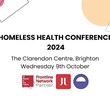
Homeless Health Conference 2024
Join Arch Healthcare and the Brighton & Hove Frontline Network for their annual Homeless Health Conference
-
Motivational Interviewing Training
Full day online training for UK-based frontline workers to increase positive engagement with the clients.
-

Navigating Credit: Insights from the Irish League of Credit Unions
Join the Money Guiders NI Network for an information session with Irish League of Credit Unions.
-
Homelessness Prevention Through Housing Related Support
In person event which aims to bring focus to the topic of homelessness prevention, bringing those working to help pre...
-
Coventry Frontline Network forum - September 2024
A forum for frontline homelessness workers in Coventry and the Midlands to meet and connect
-
Brighton and Hove Frontline Network Learning Lunch: Mungo's employment Service
Join the Brighton and Hove Frontline Network for their September Learning Lunch
-
Universal Credit and Vulnerable People: The Tricky Bits Training
Half-day online training delivered by BGPS looking at supporting homeless clients through the UC system.
-
Introduction to Support Options for No Recourse to Public Funds (NRPF) Training
Half-day online introductory course for frontline workers based in England on support options for clients with NRPF
-
Complex Needs, Dual Diagnosis and Personality Disorder Training
Full day online training delivered by Homeless Link for frontline workers based in the United Kingdom.
-