

Renters’ Rights Act 2026
Renters’ Rights Act 2026
By Caleb Compton
From 1st May 2026, the Renters Rights Bill changed how private renting works. This historic overhaul of the sector aims to give the 11 million renters in England more security, something campaigners have called for for years. The Act ends ‘no fault’ evictions, meaning landlords now need a legal reason to ask tenants to leave. It also introduces new rules on rent increases, tenancy types and notice periods.
Overview of key changes
Here's what the Renter's Rights Act means for you:
- No more no-fault evictions: Landlords can't evict you without a reason.
- Legal grounds required: Landlords must give a legal reason to evict, such as rent arrears, selling the property or antisocial behaviour.
- No more fixed-term tenancies: Most renters now have a rolling (periodic) tenancies with stronger rights.
- Stronger rules on rent increases: Landlords can increase rent only once per year, must give two months’ notice, and tenants can challenge unfair increases.
- Ending you tenancy: You must give two months’ notice to leave.
The end of no-fault evictions
Previously, landlords could issue Section 21 notices, also known as no-fault evictions. This allowed them to evict tenants for no reason, often with very little notice. This practice led to thousands of people across the country becoming homeless.
After 1st May, landlords must provide a reason to evict their tenants, for example rent arrears or because they are selling the property. This change protects tenants from unfair evictions and provides more stability.
No more fixed-term tenancies
Previously, landlords could offer fixed-term tenancies. They set these tenancies for a specific period, which then ended after a fixed length of time, for example 12 months.
From 1st May, the government replaced fixed-term assured shorthold tenancies (AST) with ‘periodic’ assured tenancies. All tenancies now roll on a weekly or monthly basis and do not have a fixed end date. Rolling tenancies give renters more protection because landlords must provide a reason to ask them to leave, instead of simply ending a short fixed-term tenancy
Stronger rules on rent increases
Landlords now can only increase their tenants’ rent once per year. They also must give two months’ notice of any increase, instead of one. If tenants believe the new rent does not match market levels in their area, they can ask a tribunal to review it within six months of starting their tenancy.
These changes offer much-needed protection for renters. Frequent and extreme rent increases worsen an already expensive rental market, where many people struggle to make ends meet. Rent increases can push people into arrears, poverty and eviction.
Other key changes
The new Act introduces several additional measures to improve the private rented sector and enhance renters’ experiences across the country. These include:
- Landlords cannot ask for more than one month’s rent in advance to secure a property, and authorities may fine those who do. This improves affordability for people looking for homes.
- Renters can request to keep a pet, and landlords can only refuse with a valid reason.
- Renters must give their landlord two months’ notice before they leave their tenancy.
-

Changing the System, Not Just the Service: A Systems Approach to Homelessness
Hear from MEAM about their work and their approach to systems change
-

New Report on Global Homelessness and Climate Change
Read the latest report along with a webinar discussing global experiences of climate change and homelessness.
-

All in for Change are Recruiting for their Change Team
Thursday, October 1, 2026 - 10:38:15 AMRead about exciting opportunity to join All in for Changes' Change Team
-

Postgraduate Course on Health Inequalities
Homeless and Inclusion Health (Online) course from University of Edinburgh open for registrations.
-

Temporary Accommodation Notification Duty Training
Find out about new free e-training from Shared Health Foundation.
-

Bringing frontline experience to Number 10 as Government steps up action on rough sleeping
Our CEO Duncan Shrubsole and The Connection at St Martin’s CEO Pam Orchard met with Number 10 to discuss the Governme...
-

Come and join the Frontline Network’s Frontline Worker Advisory Group (FWAG)
The FWAG supports more opportunities for staff working with people experiencing homelessness.
-

Sentencing Act 2026 - Next Stages of Implementation
Hear from Clinks about the next stages of the Sentencing Act and accompanying probation reforms.
-

England's Day Services Research Report
Read the the latest report from Housing Justice on England's homelessness day services.
-

Study of Neurodivergent People's Experiences of Homelessness
Read a new report from the National Development Team for Inclusion on neurodiversity and homelessness.
-

St Martin-in-the-Fields Charity Supports National Drive to Strengthen the Homelessness Workforce
Read about St Martin-in-the-Field Chartiy's work with MHCLG on the National Workforce Programme
-

Apply to New £8 Million Fund Aiming to Prevent Homelessness
Lloyds Bank are launching their Good Place to Live fund offering four year grants focused on homelessness prevention.
-

Changes to Housing Benefit Rules for Supported Housing Residents
Incoming changes to Earned Income Disregards effecting people in Supported Housing
-

What is moral injury and why does it matter in homelessness services?
Read Rhea Tzallas's article about moral injury and it's resonance within homelessness settings and for the frontline...
-

Apply to the Democratic Engagement Fund
Launch of new Democratic Enagaement Fund from MHCLG aimed at boosting democratic engagement from underrepresented gro...
-

Renters’ Rights Act 2026
The Renters Rights Bill has changed how private renting works. Read more about the latest changes.
-

The Crisis and Resilience Fund - DWP
The Crisis and Resilience Fund (CRF) is a new England-only scheme that provides emergency financial support, includin...
-

The Neurodiversity Podcast - Call for Participation
Call for participation in a new Risk and Resilience series are focusing on neurodiversity and frontline services.
-

Access to Accommodation: Eight New Funding Partnerships
Our new Access to Accommodation fund is supporting eight grassroots organisations to unlock new housing solutions for...
-

Access to Accommodation Fund
Read about the launch of a new fund to support access to accommodation.
-

Supporting Migrants in TA Training for London LAs
Express your interest in undertaking training with Praxis, open to London-based local authorities.
-

Frontline Worker Research Project on Homelessness Prevention
This research project aims to better understand how homelessness prevention operates in practice across the UK, and h...
-

The hidden harm of the diagnosis of personality disorder report
New report from Platfform looking at the impact of Personality Disorder diagnosis
-

The Extent of Furniture Poverty 2026
Read the latest report from End Furniture Poverty about the current state across the UK of households access to basic...
-
Women’s Rough Sleeping Is a Crisis We Can’t Keep Ignoring
Monday, March 16, 2026 - 9:53:33 AMRead the latest report from on the Leeds Women's Rough Sleeping Census
-

Acquired Brain Injury and links to domestic abuse
Findings from a new report published by HMI Probation Academic Insight series on the prevalence of ABI and links to d...
-

Ending Homelessness in Communities Fund
New MHCLG funding to support smaller voluntary, community and faith sector (VCFS) organisations working on the frontl...
-

How Rowan Alba is embedding psychology in women’s homelessness services
Through our Mental Health Fund, Rowan Alba’s Psychology Project is embedding clinical psychology within women-only su...
-

Mapping Journeys Through Homelessness Report
Read the latest report from All in for Change Team mapping people’s experiences of homelessness in Scotland.
-

Housing Quality and Health Report
Newly published report analysing the relationship between poor quality home and health outcomes, examining the econom...
-
Understanding Changes to Asylum and Settlement
Read an explainer from Praxis, who facilitate the Migrant Homeless Frontline Network, on the governments upcoming cha...
-

Older Adult Homelessness in Ireland Report
Read the recently released report from Simon Communities of Ireland on experiences of homelessness for elder citizens...
-

Empowering Teams Through Housing Training
Read about Citizens Advice Coventry's experience of recent training funding through the Frontline Network's Training...
-

Leeds Women’s Rough Sleeping Census 2025: Listening to Voices, Building Better Support
Read about the upcoming report Leeds Women's Rough Sleeping Census 2025 - shining a vital light on lived experiences...
-

Speak at the Frontline Network Annual Conference 2026
Open call to express your interest to participate at the Frontline Network Annual 2026 as a presenter or speaker - sh...
-
Essential Guide to Changing Minds on Migration
New resource from Praxis on conversations around migrants and refugees.
-

Unhealthy State of Homelessness 2025: Findings from the Homeless Health Needs Audit
The Unhealthy State of Homelessness 2025 presents new findings from Homeless Health Needs Audits (HHNA) undertaken be...
-

Talking About Loss: Reflections from Our Bereavement Webinar
Reflections from a sector-wide conversation on loss, grief and the realities of frontline homelessness work.
-

St Martin's Charity Joins Sector Call for Urgent Action on Local Housing Allowance
St Martin’s Charity has joined organisations across the housing and homelessness sector in urging government to unfre...
-

Listening to the Frontline: Our CEO on What Needs to Change
Our CEO, Duncan Shrubsole, reflects on what frontline workers are telling us, and why turning their insights into act...
-
Scrap the Barriers Campaign
Campaign launch from Praxis supporting redution in wait times to permanent residency.
-

University of Edinburgh CPD course on Homelessness and Inclusion Health
Registrations are open for UoE CPD course on Homelessness and Inclusion Health
-

Supporting homeless migrants training package
New free online learning courses on homelessness migrants developed by Shelter and Praxis.
-

Fix the Five Basics Campaign
Launch of a new campaign around fixing the five basic essentials for temporary accommodation.
-

Homeless Link Survey - Who are the Homelessness Workforce?
Homeless Link are requesting responses to a new survey about the homelessness workforce
-

Pride Month 2025 – Pride Without Shelter: LGBTQIA+ Homelessness in Leeds
This Pride Month, Basis Yorkshire is calling for safer, more inclusive homelessness support for LGBTQIA+ people in Le...
-

Apply to Run a Justlife Testing Hub
Apply now to lead a Justlife local Testing Hub and help transform temporary accommodation into something shorter, saf...
-

SHIFT: Trauma conscious leadership for troubled times
SHIFT is a free, 10-month leadership development programme launched by the Museum of Homelessness, offering trauma-co...
-

Wellbeing Programme for homelessness and supported housing sector workers
This four-part online training programme by Homeless Link equips frontline workers and managers with tools to enhance...
-

Mission Critical 03: Mission-Driven Partnerships with Civil Society
A new report was published today by The Future Governance Forum (FGF), with New Philanthropy Capital and The Lloyds B...
-

Call for Insights: Access to Accommodation
We're seeking knowledge and practical examples to better understand what prevents and enables people to access accomm...
-

Call for investment in preventing homelessness
We recently sent a letter to Rachel Reeves, Chancellor of the Exchequer, in collaboration with other charities across...
-

Training Fund: Guiding refugees through complex housing law
Amy from the Helen Bamber Foundation explains how the training fund has helped her feel more confident supporting sur...
-

Blog | Using The Training Fund to Understand The Impact Of The Renters Reform Bill
Alison is a Development Manager at The Bond Board, a charity that exists to reduce homelessness by getting people on...
-
New Fund | 'Incubating' Great Practice with Homeless Link
St Martin's Charity is supporting Homeless Link to deliver the new Homelessness Incubator Project, focusing on discov...
-

New Fund | Over £500,000 for mental health projects across UK
We are delighted to announce the award of three multi-year grants to projects working with people struggling with the...
-

Survey - Anti-Social Behaviour Powers and people experiencing homelessness
Frontline workers are invited to share their insights as part of a research study into the impact of anti-social beha...
-

Brain Injury Guidance
Leigh Andrews of Change Communication offered specialist advice on brain injuries and homelessness through a digital...
-

End Furniture Poverty Survey
End Furniture Poverty have recently spoken with the Frontline Network to discuss their important ongoing survey, seek...
-

Mental Health Support and hot food at The Soup Kitchen
Dr Brett Grellier discusses the launch of an innovative new project offering mental health support and hot food to in...
-

Youth Homeless North East annual Homeless survey
Youth Homeless North East is conducting its 8th annual Homeless Survey and asking that everyone related takes part.
-

Cover the Cost Campaign
Jasmine Basran, Senior Policy Officer at Crisis, talks to us about the Cover the Cost Campaign, asking the Government...
-
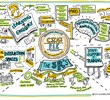
Developing a PIE Language at The Connection at St Martin’s in the Field
Rosie Allen-Jones, Client Involvement Coordinator at the Connection at St Martin's, talks to us about how the Connect...
-

The End of the Line – Migrant homelessness and what to do when there’s nothing left to do
Bethan Lant, Project Lead at Praxis, discusses support for those who are homeless and have exhausted their immigratio...
-

Delivering a European campaign to end street homelessness
Patrick Duce, Campaign Impact Manager at World Habitat, shares his learning from the European End Street Homelessness...
-

Access Denied: The cost of the 'no recourse to public funds' policy
Caz Hattam, Caseworker at the Unity Project, introduces their recent research into the 'no recourse to public funds'...
-

Survey to small charities and faith groups
Housing Justice and Homeless Link are working in partnership on a project reaching out and hearing directly from smal...
-

Rights & Entitlements for those with status under the EU Settlement Scheme
Praxis, the Frontline Network Partner facilitating the Pan-London Migrant Frontline Network, recently held an event l...
-

Exploring the new world: practical insights for funding, commissioning and managing in complexity
Dr Toby Lowe, Senior Lecturer in Public Management & Leadership at Newcastle Business School, introduces Exploring th...
-

VRF Impact Report 2018/19
Over the past year we have given out 3827 grants totaling £1,156,805 through the VRF. Read the latest Impact Report t...
-

Influence from the Frontline
Frontline workers are crucial at giving insight into the viewpoints of the people they work with as well as the chall...
-
The Vagrancy Act
Crisis, along with others including Homeless Link, Cymorth Cymru, Centrepoint, St Mungo’s, Shelter Cymru and the Wall...
-

Save the date for the Annual Frontline Network Conference 2019
Our Annual Conference this year will take place on 20th June 2019 in London.
-

Influencing local decisions
Zoe, Frontline Network Coordinator at Coventry Citizens Advice, talks to us about the Coventry Frontline Network and...
-

The Litigant in Person Network
Martha de la Roche, Network Development Manager at Litigant in Person Network (LiP Network), tells us about The LiP N...
-

Help us tell the real story of homeless people's deaths
Maeve McClenaghan is an investigative journalist working on a year-long project trying to log when and how people are...
-

VRF Impact Report
Find out what impact VRF had last year and how to get involved in shaping its direction in the coming year.
-

Housing First Scotland
Please see here for the first issue of Housing First Connect - a twice-yearly newsletter for Scotland’s new Housing F...
-

Supporting Transitions with Fulfilling Lives
Fulfilling Lives Newcastle Gateshead (FLNG) provide an update on the funding they received through the ideas board.
-

Developing an Understanding of Brain Injury
Find out more about the range of resources that can help frontline staff where they suspect Acquired Brain Injury (AB...
-

Changing the system for people experiencing hidden homelessness
Ellie Radcliffe, Network Development Officer for Justlife, talks to us about creating the Unsupported Temporary Accom...
-
DWP release resources to help support homeless claimants with UC
Last week the DWP launched two guides to help homeless claimants with UC. One for people themselves and one for suppo...
-

New resources on Universal Credit launched for frontline workers
Homeless Link have recently launched three new briefings for frontline workers supporting people with making claims f...
-

Home Comfort: furnishing homes for vulnerable people in Huddersfield
In June 2017, Huddersfield Mission came to the Ideas Board with a simple idea: to provide basic home furnishing packs...
-

Access to healthcare for Migrants
Bethan Lant, Casework Manager at Praxis Community Projects, talks to us about access to healthcare for Migrants.
-

Engaging with decision makers in South Yorkshire
Sirea Jabar is the Partnership and Training Officer for Target Housing in South Yorkshire and is partner representati...
-
Highlights from a visit to Cyrenians
Joe Baldock, engagement worker at Justlife Brighton, talks about his visit to Cyrenians and engaging with the Scottis...
-

The National Audit Office comment on Universal Credit
Find out more from the NAO and their report on Universal Credit.
-

Brexit: Supporting Vulnerable Europeans
Lidia Estevez Picon, Migration Policy and Services Coordinator at the Connection at St Martin's, talks about how you...
-

CPAG - Early Warning System
Dan Norris, from CPAG, talks to us about a new Early Warning System to record the impact of benefit changes implement...
-

What about me? Recognising and supporting children with a mother in prison
Hear from Sarah Beresford, a Prison Reform Trust Associate and author of the What about me? report.
-

Calls from the Frontline to end homelessness in Scotland
Maggie Brunjes, Director of Glasgow Homelessness Network (GHN) provides an update on the work of the Scottish Governm...
-

An initiative to tackle health inequalities for people who are homeless
Dr Zahid Chauhan talks to us about setting up new initiative Homeless-Friendly.
-

Changing Lives Shadowing Mayday in Oxford
Adam Orr and Lyndsay Sholder from Changing Lives shadowed Mayday Trust in Oxford on 30/01/18 in order to learn and di...
-

Moving on from temporary accommodation
Ellie McLaren from Changing Lives writes about a recent Be the Change Frontline Network event which looked at moving...
-

Frontline Network Conference 2018: Wellbeing on the Frontline
Book now for our Frontline Network Conference 2018: Wellbeing on the Frontline, which will be held in Central London...
-

Vicar's Relief Fund (VRF) Arrears Survey
We want to hear from you if you support people with arrears that affect their housing situation - please complete our...
-

The Hostile Environment
Bethan Lant, a Project lead from Praxis, writes about the creation of a hostile environment for migrants and refugees.
-

Universal Credit: Effects on frontline services and clients
Sinead Kelleher from ARCH blogs about an event in Wrexham held to highlight the effects of the rollout of Universal C...

-
Be the Change Frontline Network explores Universal Credit
Peff Soulsby from Changing Lives writes about a recent Be the Change Frontline Network event which explored the thorn...
-
Vicar's Relief Fund (VRF) Grants Survey
We are seeking feedback on our VRF grants - please complete our short survey and tell us what you think.
-

Wrexham’s Crisis Cafe
Sinead Kelleher writes about Wrexham's Crisis Cafe, a multi-agency response to Universal Credit.
-

The Unspoken Truth About Frontline
Anna Suswillo, a former Asset Coach for Mayday, shares the unspoken truth about working on the frontline and her expe...
-

Homeless Link: Transatlantic Practice Exchange 2018
This is an exciting opportunity for frontline homelessness staff to spend a fortnight in the United States, exploring...

-

Frontline Worker Survey
We are asking frontline workers to participate in a survey, aimed at those working with clients who are experiencing...
-

Frontline Network Conference
Save the Date! The Frontline Network Conference will be held on Thursday 7 June 2018 in Central London.
-

Wellbeing on the Frontline Conference: Have your say!
We are planning our "Wellbeing on the Frontline" Conference for 2018 and we need your input to ensure the event is of...
-

Vicar's Relief Fund (VRF) Volunteers Wanted
The Vicar's Relief Fund (VRF) team are looking for VRF volunteers to support them with general office and administrat...
-

A Day in the Life of ... Hamoaze House
Jane Cookson, Path's Frontline Network Co-ordinator, spends a day with Plymouth's Hamoaze House, which provides help...
-

Reflections on Psychologically Informed Environments (PIE)
Harriet Morris, from Justlife Brighton, reflects on what she learnt from a recent Frontline Network event focusing on...
-
Personal Transitions Service (PTS): An asset based model
Mayday Trust's Paddy Bates writes on the Personal Transitions Service (PTS), the first strength based model for peopl...
-

Vicar's Relief Fund (VRF) partners with Glasspool
St Martin-in-the-Fields Charity is partnering with Glasspool Charity Trust, to launch a 1 month pilot to provide hous...
-

Top Tips for organising a successful local event
Target Housing's Sirea Jabar shares her top tips on organising a successful local event, based on her own experience...
-

The Value of Reflective Practice
Mike Wright from Cyrenians attended the Tackling Multiple Disadvantage: 2nd National Summit and shares some of his le...
-

Rural rough sleeping is on the rise
Charlotte Snelling, Research Fellow at the IPPR, writes about the rise in rural rough sleeping
-

The Frontline Network is looking for new Steering Group members
The Frontline Network needs YOU! We are looking for 3 frontline workers to join our Steering Group
-

Introducing our new Frontline Network Partner Organisations
The Frontline Network introduces its 10 new Partner Organisations for 2017-2019.
-

Winston Churchill Memorial Trust Travelling Fellowships
The Winston Churchill Memorial Trust are offering funded Travelling Fellowships to individuals working in the housing...
-

A Year in the Life of the Frontline Network
David Barclay reflects back on his year spent working on, and developing, the Frontline Network.
-

Vicar's Relief Fund (VRF) ID pilot has been extended
We have extended the Vicar's Relief Fund (VRF) ID pilot
-

A map through conflict
A Cyrenians Mediator writes about their innovative Amber Mediation and Support Project, a model of mediation and supp...
-

The Frontline Network celebrates its first birthday and launches an Events Fund
The Frontline Network celebrates its first birthday and launches an Events Fund
-

“A place to call home"
Hannah Gousy was seconded from Crisis to the Centre for Social Justice (CSJ) to help design policy recommendations to...
-

“I’m not going to order a chest X-Ray based on his social situation”
Susan Rutherford is a medical student who set up a homeless shelter in Leamington Spa. She explains why homeless heal...
-
VRF launches 3 month pilot funding ID
We have set up a 3 month pilot through the Vicar's Relief Fund (VRF) of funding ID where someone is currently homeles...
-
The Care Act and homeless/ vulnerably housed clients
We hear from Alex Smith, System Broker at Fulfilling Lives Newcastle Gateshead, about the latest frontline event disc...
-

The Frontline Network joins forces with Turn2us to provide tools on benefits and grants
The Frontline Network has launched an exciting new partnership with Turn2us to give frontline workers access to their...
-

Five questions on working with undocumented migrants
Bethan Lant, project lead for the advice team at Praxis Community Projects, answers five questions about working with...
-

Helping people who are homeless into GP practices
Jane Cook, Clinical Lead for Healthy London Partnership’s London Homeless Health Programme, tells us about the work b...
-

Indelible Stains? How one homelessness charity is turning criminal records from a problem into an asset
Cyrenians promote an approach where lived experience of struggles is valuable, both to those with whom they work and...
-

How the Pan-London Housing reciprocal prevents survivors of domestic abuse from becoming homeless
Safer London is centrally coordinating a new Pan London Housing Reciprocal which is a framework to help survivors to...
-

Five things to consider when working with homeless migrants
Chloe Robinson is an immigration advisor with Praxis Community Projects on the Routes Home project. She spoke to Prax...
-

A London Nightshelter
On 7 November we opened our church-based shelters for the winter with more churches signed on then ever before. Glass...
-

Barry tells how lived experience shapes his work
Barry is a recovering alcoholic and now works in frontline services as a Support Worker for national charity Changing...
-

'Step Up' at The Connection
Wyn Newman introduces the volunteer programme 'Step Up' that has been developed at The Connection for service users.
-

Scarborough - Client and Agency Meet Up
Trish Kinsella, from the Rainbow Centre in Scarborough, talks about getting clients and services together for breakfast.
-

Brighton and Hove Frontline Network Up and Running!
Simon Gale, Operations Manager for Justlife Brighton, talks about the inaugural St Martin’s Frontline Network gatheri...